
Pre-Veterinary Concentration
Study animal biology and prepare for veterinary school. Build a science foundation aligned with veterinary program prerequisites.
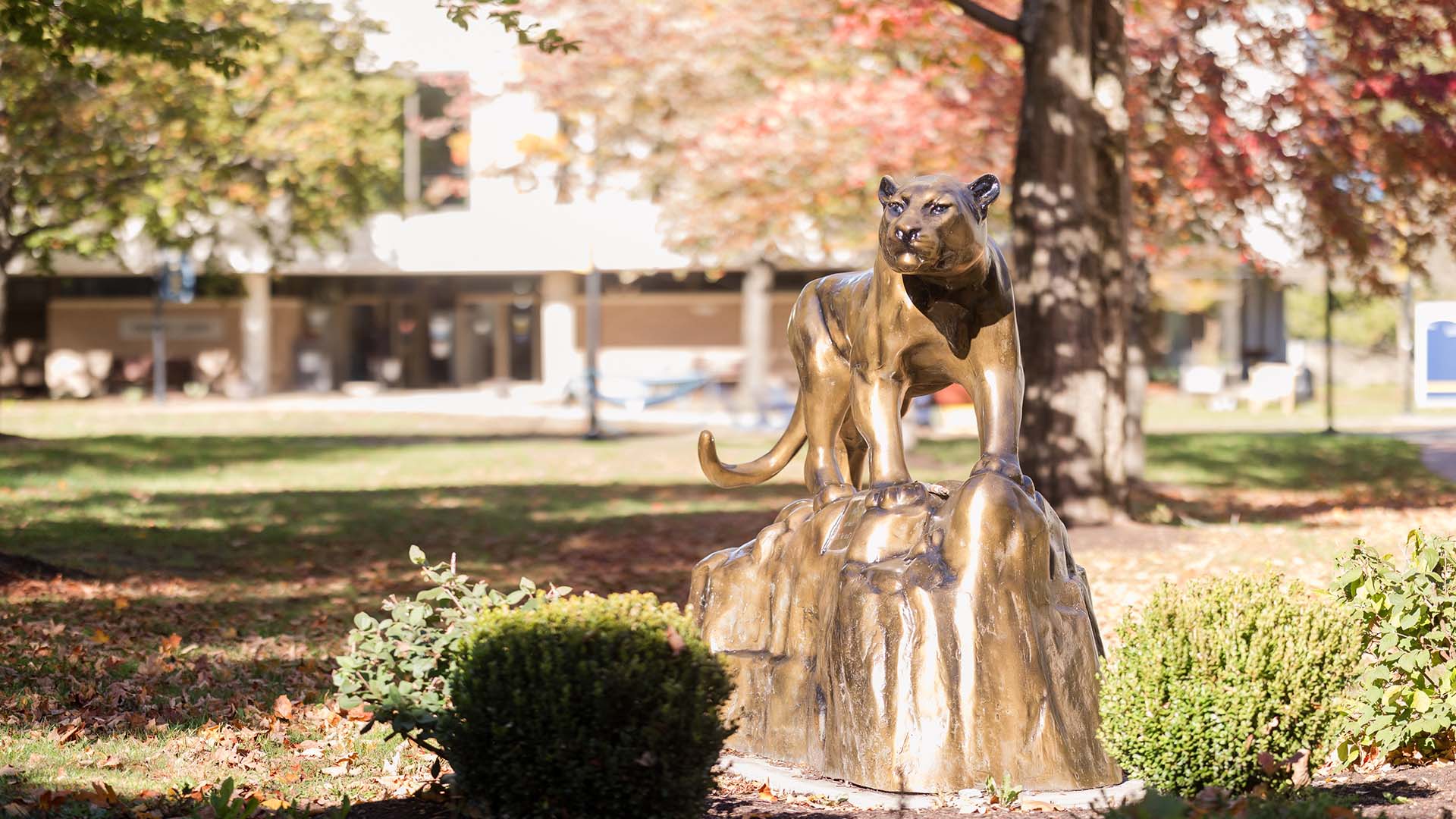
Study animal biology. Gain practical experience. Prepare for veterinary school.
Degree: Bachelor of Science (B.S.) in Biology
Concentration: Pre-Veterinary
Major Credit Hours: 62–63 credits
Program Delivery: On Campus
Next Term: Spring 2027
Why Choose Pre-Vet at MCLA?
MCLA's Pre-Veterinary concentration combines a strong foundation in biological sciences with coursework relevant to veterinary school admission. You'll study animal biology, develop laboratory skills, and gain practical experience through an internship. At least once each semester, you'll meet with a faculty advisor who can help you plan your courses and understand veterinary school prerequisites.

A Required Animal Care Internship
Gain practical experience working with animals through a required internship. Every Pre-Veterinary student completes at least one internship, with opportunities including animal care in MCLA's Biology Department, work with reptiles, amphibians, and marine animals at the Berkshire Museum, and placements at local animal hospitals and shelters.
Recent students have observed veterinary professionals at Greylock Animal Hospital and North County Animal Hospital. MCLA's rural Berkshire location also provides opportunities to observe large-animal care, giving you exposure to different veterinary settings.

Courses Focused on Animal Biology
Study animal behavior and choose additional coursework that matches your interests. BIOL 450: Animal Behavior is required and examines topics such as foraging, mating strategies, and social behavior. Its laboratory component develops your skills in animal observation and experimental design.
You'll also choose one course from Animal Physiology, Vertebrate Zoology, or Comparative Vertebrate Anatomy to deepen your understanding of animal biology.

A Chemistry Minor Within Reach
Your Pre-Veterinary coursework already includes four courses required for MCLA's Chemistry Minor, accounting for 16 of its 23 credits. If you're interested in adding the minor, you can work with your advisor to plan the remaining requirements, including Analytical Chemistry and an upper-level Chemistry elective.
This gives you an opportunity to build on your existing Chemistry coursework while pursuing your interests in veterinary medicine or other scientific fields.
Pre-Veterinary Concentration Requirements
The Pre-Veterinary concentration requires 62–63 credits in Biology, Chemistry, Mathematics, and Physics. You'll complete required courses in genetics, microbiology, biochemistry, and animal behavior, along with a one-credit internship, one additional animal-focused course, and six credits of upper-level Biology electives.
View the full Pre-Veterinary Concentration requirements in the MCLA catalog.
Biology Courses
- BIOL 101: Entering Students Seminar, 1 credit
- BIOL 150: Introduction to Biology I: Cells, 4 credits
- BIOL 160: Introduction to Biology II: Organisms, 4 credits
- BIOL 240: Genetics, 4 credits
- BIOL 302: Applied Statistics in Biology, 1 credit
- BIOL 320: Microbiology, 4 credits
- BIOL 360: Biochemistry, 3 credits
- BIOL 450: Animal Behavior, 4 credits
- BIOL 540: Biology Internship, 1 credit
Choose one animal-focused course:
- BIOL 405: Animal Physiology
- BIOL 395: Special Topics in Biology (Vertebrate Zoology)
- BIOL 395: Special Topics in Biology (Comparative Vertebrate Anatomy)
Upper-level Biology electives: Complete six credits of Biology courses at the 300 level or above.
Chemistry, Math, and Physics Courses
- CHEM 150: Introduction to Chemistry I, 4 credits
- CHEM 152: Introduction to Chemistry II, 4 credits
- CHEM 201: Organic Chemistry I, 4 credits
- CHEM 202: Organic Chemistry II, 4 credits
- MATH 232: Introduction to Statistics or MATH 232H Honors: Introduction to Statistics, 3 credits
- PHYS 131: General Physics I, 4 credits
- PHYS 132: General Physics II, 4 credits
How to Start the Pre-Veterinary Concentration
Enroll in MCLA's B.S. in Biology, choose the Pre-Veterinary concentration, and work with your faculty advisor to plan your required courses and internship. Advisors also share veterinary school prerequisite information, research opportunities, internships, and upcoming courses through the Biology Department's Canvas page.
Is the Pre-Vet Program Right for You?
The Pre-Veterinary concentration is a good fit if you're planning to apply to veterinary school or want to pursue an animal-focused career. You'll study the biological sciences while gaining practical experience and exploring areas of animal biology that interest you.
- Future Veterinarians: Prepare academically for veterinary school through coursework that aligns with common admission prerequisites, including organic chemistry, biochemistry, microbiology, physics, and statistics. Work with your advisor to check the specific requirements of the veterinary schools you're considering.
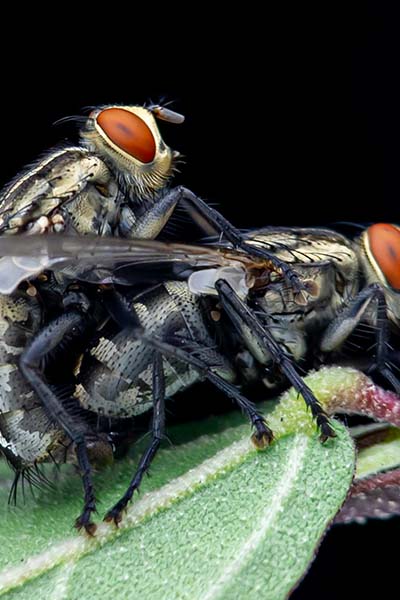
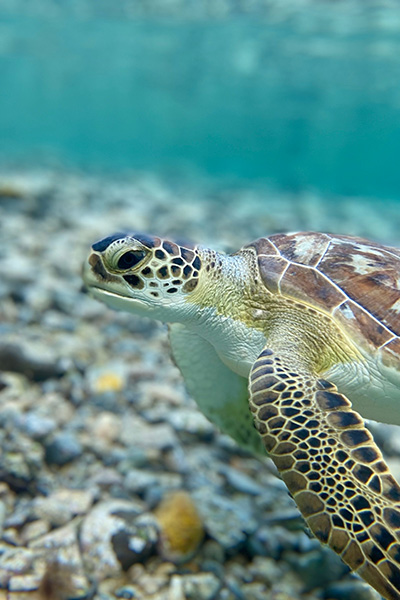
- Students Interested in Wildlife and Animal Behavior: Study how animals behave and interact with their environments through BIOL 450 Animal Behavior. You can also choose Vertebrate Zoology as your additional animal-focused course to expand your knowledge of vertebrate animals.
- Students Seeking Hands-On Animal Experience: Gain experience through your required internship, with opportunities that have included caring for animals in MCLA's Biology Department and observing veterinary professionals. The surrounding Berkshire region also offers opportunities to learn about large-animal care.
Where a Pre-Veterinary Concentration Leads
MCLA's Pre-Veterinary concentration prepares you to pursue veterinary school or explore other careers involving animal care and biological sciences. Biology graduates have continued their education at institutions including North Carolina State University's College of Veterinary Medicine.
The concentration can also support opportunities in animal care, wildlife conservation, research laboratories, and related fields. Some positions require additional education, professional training, or licensure.
Skills You Will Develop
Spotlight Courses
Faculty
Meet Your Mentors


FAQs
A: Not necessarily. Graduate Record Examination (GRE) requirements vary by veterinary
school, and many programs no longer require the test. Some may still request GRE scores
or have other standardized testing requirements. Your MCLA faculty advisor can help
you review the current admission requirements for the veterinary programs you're interested
in before you apply.
A: Becoming a veterinarian in the United States typically involves four years of undergraduate
study followed by four years in a Doctor of Veterinary Medicine (D.V.M.) program.
After earning your veterinary degree, you'll need to meet the examination and licensing
requirements for the state where you plan to practice. Additional training may be
required if you pursue a veterinary specialty.
A: Yes. As a Pre-Veterinary student at MCLA, you can explore research opportunities with
Biology faculty and apply to off-campus Research Experiences for Undergraduates (REU)
programs. Biology students have participated in research across several fields, including
ecology and microbiology. Your faculty advisor can help you identify opportunities
that match your interests and academic preparation.
A: You don't need a particular undergraduate major to apply to veterinary school, but
you must complete the prerequisite courses required by each program. MCLA's B.S. in
Biology with a Pre-Veterinary concentration provides coursework aligned with common
veterinary school requirements, including biology, chemistry, physics, and statistics,
while allowing you to study animal biology in greater depth.
Related Programs
Looking for More Information on MCLA's Biology Programs?
Reach Out to Us
We’ll share helpful information and student stories, and we promise not to flood your inbox.